
Beyond the Cycle: Reclaiming Your Identity from Addiction and Broken Relationships
- Apr 1
- 5 min read

Grace and peace to you! My name is Nicole Pearson, LPC, and I am truly blessed to announce that I have joined this faith-based restorative network here at Healing The Brokenhearted. Our organization serves as a specialized ministerial hub, uniting licensed clinicians, specialists, and lay ministers to provide a holistic approach to healing that addresses the spirit, mind, and body.
I recently presented at a summit regarding the complexities of substance abuse and love addiction. Whether you are navigating the heavy burden of chemical dependency or the painful cycle of broken relationships, I want to share how we integrate professional clinical teaching with the transformative power of Biblical counseling.
Why "Just Quitting" Is Harder Than It Sounds
Look, the biggest mistake people make is thinking that beating an addiction is just about "wanting it enough." That’s just not how it works. When you're in the thick of it, your brain's reward system has basically been hijacked. It’s a physical, biological change—not a lack of backbone. Scientists call it physiological dependency, but you can think of it as a "stronghold" that’s taken up residence in your head.
When you first try to walk away and get sober, it feels like you've been dropped into a wilderness. It’s rough. You’re going to be exhausted, moody, and anxious because your brain is literally trying to rewire itself on the fly. It isn’t pretty, and it definitely isn't easy.

One way we stay on top of this is by using a simple gut-check called H.A.L.T. You have to constantly ask yourself: Am I Hungry, Angry, Lonely, or Tired? It sounds basic, but those are the moments when you're most likely to trip up. Taking care of your body is actually a huge part of the battle.
From a faith perspective, we see this as a literal war between the spirit and the body. These neurological strongholds are real, but they aren't permanent. We focus on "renewing the mind" through Scripture, which is basically a way to rebuild your thought patterns from the ground up. We know the brain is physically hurt, but we lean on God’s grace to get through that "wilderness" phase until things start to feel whole again.
A Multidimensional Relapse Prevention Toolkit
Honestly, the best way to keep from getting overwhelmed is the 24-hour rule. If you start obsessing over how you’re going to stay sober for the next ten years, you're going to freak yourself out. Just worry about being faithful today. That’s it. If you can handle the next twenty-four hours, you’re winning.
Another big thing is learning how to get out of your own head. When you feel those negative thoughts starting to spiral, you’ve got to move. We always say, "move a muscle, change a thought." It sounds almost too simple, but getting up and doing something physical actually breaks those mental loops that get us into trouble.
You also can’t do this as a solo project. Loneliness is a killer in recovery. You need a circle—mentors, sponsors, just people who actually get what you’re going through. Healing happens when you’re around others in fellowship, not when you're isolated.

Finally, we have to look at how we treat ourselves through a Biblical lens. In counseling, we talk a lot about "stewardship." Since your body is the temple of the Holy Spirit, things like getting enough sleep and eating right aren't just "self-care"—they’re spiritual disciplines. When you’re exhausted or run down, you’re vulnerable. Taking care of your physical needs, while staying grounded in prayer and the Word, gives you the strength to keep standing when things get tough.
Love Addiction: Reclaiming Worth and Identity
When we talk about "Love Addiction," what we’re really talking about is a pattern of messy relationships driven by a deep, hidden fear that we just aren't good enough. It’s this false belief that we’re unworthy, so we try to fill that hole with other people.
Most of the time, this stuff starts way back in childhood. If you grew up with parents who were emotionally checked out or, on the flip side, way too controlling, it messes with how you learn to bond. You end up on a spectrum. Some people become "Love Addicts" who are terrified of being left alone. Others become "Love Avoidants" who run the second things get too close. Then you have the "Fantasy Addicts" who just live in a dream world of what a relationship should be like instead of dealing with reality.
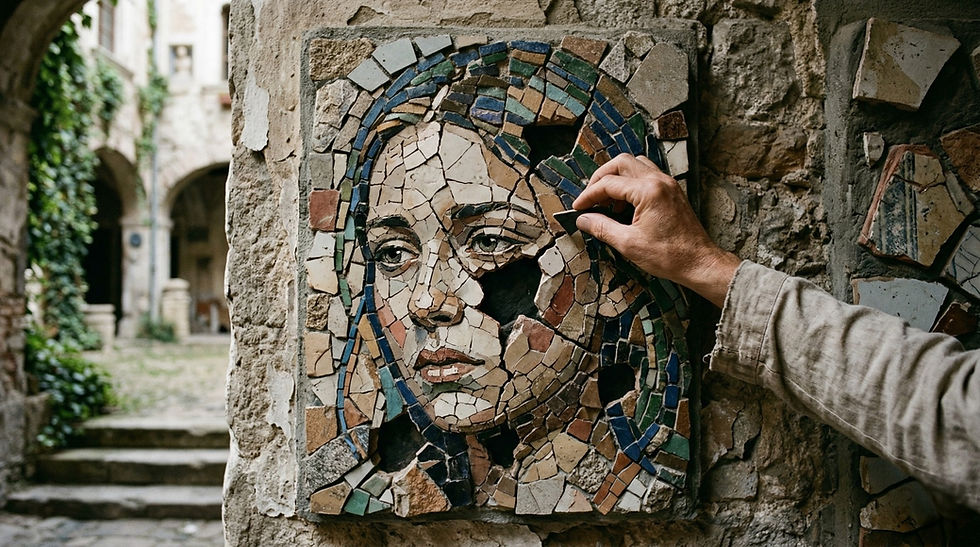
To heal from this, we use a mix of things like CBT and Internal Family Systems to dig into those old wounds. But in Christian counseling, we go a lot deeper than just trying to build up "self-esteem." See, self-esteem is fickle, but your identity in Christ is solid.
We try to help people stop seeing themselves through a "victim story" and start seeing themselves as a child of God. When you finally realize your true worth comes from being redeemed and valued by Him, you stop looking for other people to give you a sense of value that they were never meant to provide in the first place.
Restoration for the Family System
One thing people often forget is that addiction is never just about one person—it’s a family disease. It ripples out and touches everyone in the house. If the family is actually going to heal, everyone has to get on board with what we call the "3 Cs."
It’s basically a reality check: You didn’t cause it, you can’t control it, and you definitely can’t cure it.

Accepting that is a huge weight off your shoulders. Usually, we suggest jumping into family therapy or groups like Al-Anon. It’s there that you learn the difference between actually being supportive and just "enabling" the bad behavior. It’s a tough line to walk, but it’s the only way to keep the whole house from going under.
In our Christian counseling, we take it a step further. We walk alongside families as they learn the hard lesson of letting go. It’s about releasing that need to control the outcome and putting it in God’s hands instead. There’s a real, deep peace that comes when you finally trust in His sovereignty, even when things feel like a total mess.
Take Your First Step Toward Wholeness
You don’t have to navigate the wilderness of recovery alone. Whether you are seeking to break the cycle of addiction or reclaim your identity in Christ, I am honored to walk this path alongside you as part of the Healing The Brokenhearted restorative network. If you’re ready to move from a place of "just surviving" to truly thriving, I invite you to reach out today to schedule a session. Let’s work together to integrate clinical truth with the life-changing power of the Gospel.

Start Your Journey Today (Free Resource)
If you aren’t quite ready for a one-on-one session but want to begin renewing your mind right now, I highly encourage you to explore our Free Christian Inner Healing Training. This online resource is designed to help you understand the spiritual and emotional roots of your struggle from the comfort of your own home. It’s a powerful, no-cost way to begin your transformation and see how Biblical counseling can truly set you free.
Grace and peace be multiplied to you,
Nicole Pearson, LPC
Christian Counselor & Psychotherapist (Ministerial Talk Therapy)
Healing The Brokenhearted


Comments